


Most restaurant owners don’t start with franchising in mind. They start with a concept they care about, customers they want to serve well, and the hope that the business can support their family and team.
That was the case for Craft House Pizza, a family-run Italian-themed pizzeria based in Louisville, Kentucky. The brand wasn’t built to chase fast growth – it was built around hospitality, food quality, professionalism, and long-term financial stability.
As the first location proved successful, something became clear: the systems worked! The standards held, customers responded consistently, and growth was no longer just a possibility – it became a question of timing and structure.
For many business owners, this is the moment where hesitation sets in. Expansion sounds appealing, but it also raises real concerns around control, quality, and risk. For those starting to explore the idea of franchising their business, clarity matters just as much as ambition.
This case study follows how Craft House Pizza approached that crossroads and why franchising became the right next step.
How Craft House Pizza Built a Brand Ready to Grow
For starters, they didn’t rely on shortcuts. Many of the practices that later supported franchising were already in place long before expansion was discussed. Here are their foundational principles:
Food Quality
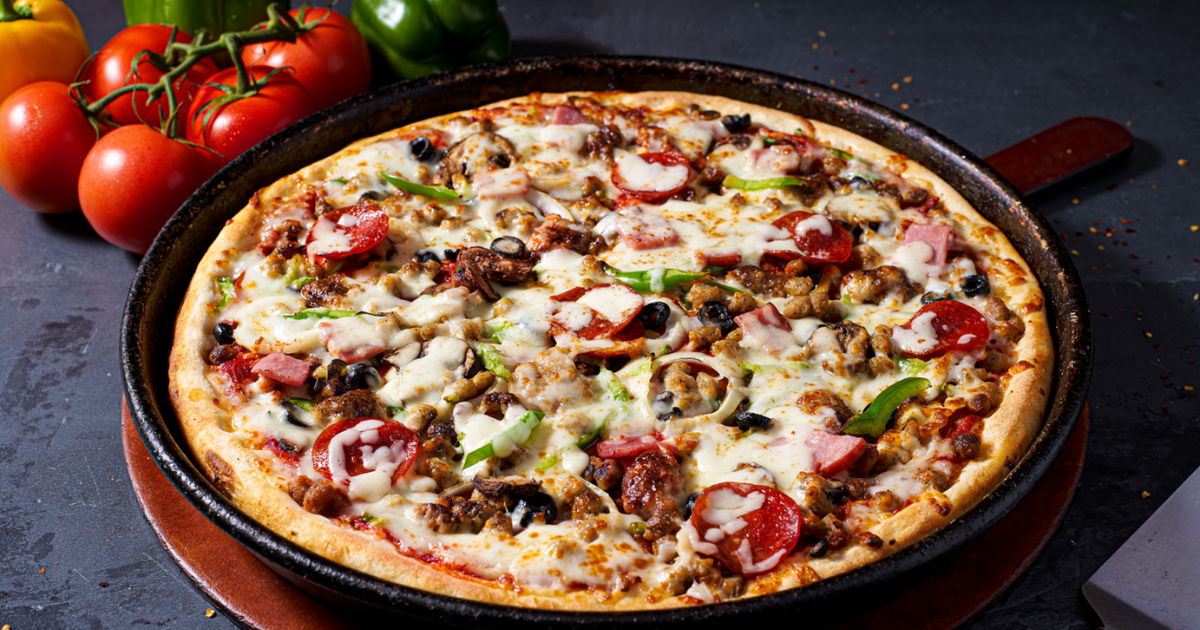
This was non-negotiable: dough was made in-house and cheese was shredded daily. These choices required more effort, not less, but they created consistency. Customers knew what to expect, no matter when they visited.
Hospitality
Service wasn’t treated as a script – it was a mindset. You had to genuinely want to make people happy, and that expectation shaped hiring, training, and daily operations.
Operational discipline
This area completed the picture: cleanliness, professionalism, and accountability were standard. Each location was expected to perform, not just open.
By the time additional locations came into the picture, the business was no longer dependent on one person holding everything together -systems carried the entire operation.
This distinction matters because before growth makes sense, business owners need to determine whether their business is franchise-ready. Craft House Pizza reached that point naturally by building the right habits early.
Why Franchising Became the Right Growth Path
Opening more company-owned restaurants is one way to grow, but it also increases financial exposure and management strain. Every new unit adds complexity.
Franchising offered Craft House Pizza a more balanced path. Partners brought local commitment and investment, while the brand provided systems, standards, and support.
The appeal wasn’t aggressive expansion. It was controlled growth.
At the time franchising entered the conversation, Craft House Pizza was already operating multiple corporate locations alongside franchise units. None had closed and all operated profitably. That track record reduced speculation and grounded the decision in reality.
Still, franchising introduces its own challenges. Training must be thorough, expectations must be unambiguous, and the brand must protect itself without becoming rigid. This is where experienced franchise development support becomes essential. Translating operational success into a franchise system requires more than good intentions. It requires structure and foresight.
Turning a Restaurant Into a Repeatable Franchise System
One of the biggest misconceptions about franchising is that strong performance alone is enough. In practice, franchising demands precision.
Documentation
Craft House Pizza focused on documenting what already worked: recipes, service standards, daily routines, and performance expectations were clearly defined. The goal was not to complicate operations, but to remove guesswork.
Training
New franchise partners needed more than instructions – they needed context. Understanding why systems existed helped protect consistency across locations.
Financial Models
These were also evaluated carefully. Franchise economics had to make sense on both sides. Profitability for franchisees wasn’t optional. It was essential for long-term stability.
Throughout this phase, strategic guidance helped ensure the franchise structure supported growth without undermining the brand. This same approach can be seen across other restaurant franchise case studies where preparation played a central role in success.
Expanding With Confidence Without Losing the Brand
Growth has a way of revealing weaknesses, and Craft House Pizza approached expansion knowing that systems alone would not guarantee success. Culture had to travel with them.
With that in mind, franchise partners were chosen carefully. The goal wasn’t speed, but alignment. People needed to understand hospitality, accountability, and what it meant to represent the brand.
Early franchise openings benefited from established brand consistency and operational clarity. Marketing support, training, and realistic expectations created momentum without chaos.
Each successful opening reinforced confidence. Growth didn’t feel rushed. It felt earned.
This approach reflects a scalable franchise growth strategy built around repeatability rather than pressure. The restaurant business remains demanding, but strong systems help absorb that pressure instead of amplifying it.
What Other Business Owners Can Learn From Craft House Pizza
This franchise expansion offers lessons that extend well beyond the restaurant industry.
Franchising works best when it amplifies what already exists. Brands don’t need to reinvent themselves. They need to clarify their systems and values.
Patience matters. The work done before expansion protects the business later. Rushing into franchising often creates problems that surface after growth has already begun.
Support matters as well. Franchise development is not just legal documentation or marketing. It is strategy, structure, and long-term thinking.
“Strong franchise systems protect the brand while creating opportunity for everyone involved.” – Chris Conner, President of FMS Franchise.
Frequently Asked Questions About Restaurant Franchising
Does a restaurant need multiple locations before franchising?
Not necessarily. What matters more is consistency, profitability, and systemization. Many franchises begin with a single strong location.
Is franchising risky for restaurant brands?
It can be if systems or partner selection are weak. With proper preparation, franchising can reduce risk by sharing responsibility and investment.
How long does it take to franchise a restaurant concept?
Timelines vary, but thoughtful preparation often takes several months. The goal is sustainable growth, not speed.
Can franchising work without losing quality control?
Yes. Clear standards, training, and accountability are the foundation of quality across locations.
A Growth Story That Opens the Door for Others
Craft House Pizza didn’t expand by chasing scale for its own sake. The brand grew because the foundation was strong, the systems were intentional, and the people behind the business cared deeply about doing things the right way.
Hospitality came first and quality never slipped, so growth followed once the structure existed to support it.
For many business owners, the situation may feel familiar, and franchising can be the bridge between where your business is today and where it could go next.
If Craft House Pizza’s journey resonates with you, reach out to FMS to explore more. With the right strategy and support, your business may be closer to franchise readiness than you think. Let’s franchise you business!
About the Author:
Chris Conner, President of FMS Franchise, brings over two decades of expertise in franchise development. Formerly Vice President at Francorp, he has worked with hundreds of franchise systems, specializing in franchise marketing, strategic planning, and system management. With a BS from Miami University and an MBA from DePaul University, Chris empowers business owners in the franchising process with tailored guidance and proven strategies. Connect with him on Linkedin.