


When you were younger, you might remember the thrill of leveling up in a favorite game. Each win unlocked new badges, new powers, and a sense of progress that kept you coming back for more. Fast-forward to today, and you’re running a successful business – only now, the “game” feels different. Expansion means bigger risks, more players on the board, and the challenge of keeping everyone motivated once you grow beyond your original location.
That’s the hesitation many business owners face when thinking about franchising. The question lingers: “How do I keep franchisees excited? How do I make customers stick with my brand when there are so many choices?”
This is where franchise gamification changes the playing field. By applying the same principles that make games so engaging (progress tracking, rewards, and recognition) you can create a system that motivates both partners and customers. Instead of worrying about losing momentum as your business grows, this strategy helps you build customer loyalty, strengthen performance, and make expansion feel less like a risk and more like a winning plan.
Ready to see how gamification could strengthen your franchise? Keep reading to discover how to transform your engagement.
Understanding Franchise Gamification
Franchise gamification is the use of game-like elements (points, rewards, challenges, and leaderboards) to encourage desired behaviors within a franchise system. At its core, it’s about making work and loyalty feel rewarding, not routine.
Customer-Facing Gamification
On the customer side, gamification creates experiences that go beyond a simple transaction. Instead of just buying a product or service, customers feel like they’re participating in a larger challenge, unlocking progress, and earning recognition for their loyalty.
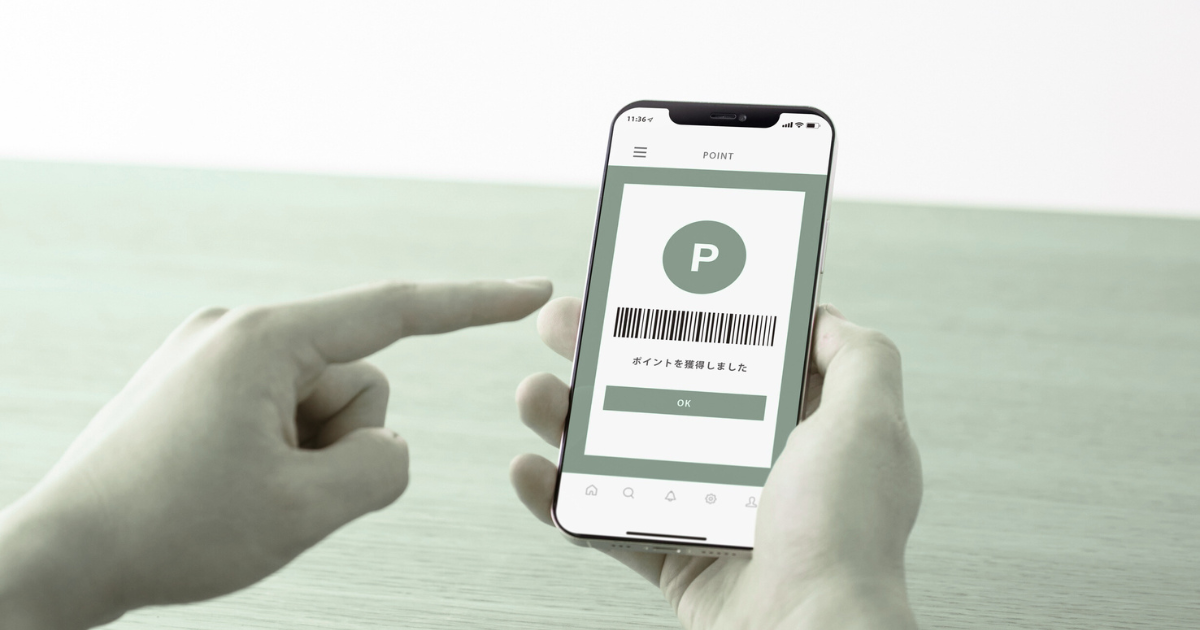
- Loyalty Programs: Points, digital punch cards, or tiered reward systems encourage customers to return more often. The thrill of “unlocking” a free product after a set number of visits keeps them coming back.
- Referral Challenges: Customers who bring friends into the brand can earn extra rewards, creating organic word-of-mouth growth. These initiatives are also powerful Franchise Community Engagement Strategies, since they strengthen connections not only between the brand and its customers but also among themselves.
- Seasonal Campaigns: Limited-time contests, like holiday scavenger hunts, trivia games, or collect-and-win promotions, tap into urgency and excitement.
For franchises, these programs don’t just boost revenue. They also create stronger emotional bonds, turning routine visits into rewarding interactions.
Franchisee-Facing Gamification
While customers are critical, franchisees are the engine of your system. Gamification here focuses on motivating owners and their teams to perform, grow, and stay aligned with brand goals.
- Internal Recognition Systems: Leaderboards or monthly highlights spotlight top performers, creating healthy competition and showing franchisees that their efforts are valued.
- Training Achievements: Digital badges or tiered certifications for completing training modules encourage ongoing learning and skill-building – especially important as systems evolve.
- Growth Incentives: Milestones like hitting sales goals, expanding into a new territory, or maintaining excellent customer reviews can unlock recognition, awards, or even financial bonuses.
When done right, these strategies don’t just improve performance metrics – they build pride and ownership in the brand, reinforcing the idea that franchisees aren’t just following rules, but are active players working toward success.
With the basics covered, let’s explore how interactive promotions bring gamification to life for customers.
Interactive Promotions That Drive Engagement
One of the most accessible ways to apply franchise gamification is through interactive promotions. These are branding and marketing campaigns or customer engagement tools that invite people to actively participate with your company rather than passively consume it. Instead of a one-way transaction (customer pays, brand delivers), interactive promotions create a two-way experience that feels rewarding and memorable.
What Are Interactive Promotions?
Interactive promotions are activities designed to spark action, build anticipation, and encourage repeat participation. They often use playful elements like challenges, points, or competitions to draw customers in and keep them engaged. Some common forms includ loyalty rewards, referral contests, limited-time challenges, and gamified check-ins or reviews.
These promotions keep your brand top-of-mind and build long-term loyalty by making customers feel invested in their progress. They create opportunities for customers to “play along” with your brand story, which not only boosts sales but also fosters a sense of belonging in your community.
Why It Works
These campaigns succeed because they transform routine transactions into memorable experiences. Customers aren’t just buying a product or service – they’re participating in something bigger.
For instance, when rewards or challenges are tied to repeat visits, customers have a built-in reason to return sooner rather than later. A limited-time contest or leaderboard can turn an occasional buyer into a regular one.
Similarly, many promotions are structured to encourage add-ons or upgrades. Customers might need to hit a spending threshold to unlock a bonus, which naturally raises the average ticket size.
All that leads to another advantage: gamified promotions often spark conversations. Whether it’s sharing progress on social media or talking with friends about a current challenge, the campaign generates organic brand awareness.
Perhaps most importantly, interactive promotions make customers feel like they belong to a group. After all, they’re not just consuming – they’re contributing, competing, and celebrating milestones alongside others. This sense of belonging creates loyalty that goes beyond discounts or deals.
Promotions energize customers, but gamification also works behind the scenes, motivating franchisees to stay engaged.
Gamifying Franchise Marketing for Stronger Brands
Marketing can often feel repetitive, especially in franchising where consistency is critical. But gamifying franchise marketing injects energy into campaigns, making them more memorable.
Case Studies in Gamified Marketing
Starbucks Rewards: This program is one of the most recognized examples of customer-facing gamification. Each time customers make a purchase, they earn “stars” that can be redeemed for free drinks or food items. The app enhances the experience by showing progress visually, offering bonus challenges (such as “earn double stars this weekend”), and unlocking exclusive tiers of membership. In the end, it doesn’t just encourage repeat visits – it creates a sense of progression, almost like leveling up in a game, which keeps customers hooked.
McDonald’s Monopoly: This seasonal promotion combines purchases with a collectable game mechanic. Customers receive Monopoly “pieces” with menu items and try to complete sets for prizes ranging from free food to big-ticket rewards like cash or vacations. The element of chance makes the promotion exciting, while the collect-and-win structure encourages customers to come back more often in hopes of completing their board. It’s simple, but it taps into the psychology of anticipation and reward, keeping the brand top-of-mind every season it returns.
Both examples show that gamified marketing works because it blends everyday purchases with a sense of fun, achievement, and the possibility of winning something bigger. Even smaller franchises can adapt these concepts at a scale that fits their budgets.
Adapting for Smaller Franchises
Even without massive budgets, smaller systems can apply gamification in creative, cost-effective ways that still deliver big results. These approaches don’t require the complex infrastructure of global brands, but they can spark just as much excitement among customers.
- “Scratch-Off” Style Digital Coupons: These mimic the fun of lottery tickets but in a digital format. Customers receive a virtual scratch card after a purchase—when they reveal it, they might win a discount, a free item, or bonus points toward a reward. This surprise element keeps engagement high and motivates customers to buy again for another chance.
- Social Media Challenges: Inviting customers to post photos, videos, or stories tied to your franchise brand turns marketing into an interactive game. For example, a smoothie franchise might run a “Show us your best post-workout smoothie” challenge. Winners could earn gift cards, loyalty points, or public recognition on the franchise’s social pages. This approach builds community while generating authentic user-generated content.
- Customer Milestone Rewards: Tracking simple achievements, like a 10th visit, first mobile order, or even a birthday celebration, adds a gamified layer to everyday interactions. Customers feel recognized for their loyalty, and the sense of progress encourages them to keep going.
But remember: franchisors need to approach implementation strategically.
Implementing Gamification the Right Way
Jumping into gamification without a plan can backfire. To succeed, businesses should follow a structured process. Let’s explore how:
Step 1: Define Clear Goals
What behavior do you want to encourage? Increased sales? Training participation? Customer referrals? Clarity prevents wasted effort.
Step 2: Choose the Right Tools
Options range from custom apps to off-the-shelf loyalty software. The best fit depends on your budget, goals, and audience.
Step 3: Track Results
Data is critical. Monitor participation, sales impact, and engagement levels. Adjust if results don’t align with expectations.
Step 4: Adapt for Culture and Scale
What works in one market may need tweaking in another. Gamification should be flexible enough to fit different demographics, especially if your brand is present in different regions or countries.
While smaller franchises can experiment with simple gamification tools on their own, building a program that scales across markets and delivers consistent results takes expert guidance.

How FMS Helps
At FMS, we work with business owners to design gamification systems that fit their brand, budget, and long-term goals. Our role isn’t just about suggesting fun ideas, it’s about making sure those ideas align with franchise operations, support both franchisees and customers, and can be replicated seamlessly as the system expands.
“Gamification is more than points and prizes – it’s about building habits and motivation. When done right, it becomes a system that rewards effort, builds loyalty, and strengthens the entire franchise community.” – Chris Conner, President of FMS Franchise.
Common Questions About Franchise Gamification
What is franchise gamification and how does it work?
It’s the use of game-like elements to encourage desired behaviors among customers and franchisees. Think rewards, recognition, and challenges.
Are interactive promotions expensive to launch?
Not necessarily. Many loyalty apps and platforms are cost-effective, even for smaller systems.
How can gamifying franchise marketing help my brand stand out?
It transforms ordinary campaigns into experiences people want to share, creating buzz and customer loyalty.
Will gamification really increase franchise engagement?
Yes, when designed thoughtfully. Franchisees respond well to recognition and progress tracking.
How do I know if gamification is right for my franchise?
If you’re looking to improve engagement, loyalty, and motivation, gamification is worth exploring. FMS can help you test scalable solutions.
Turning Engagement Into Growth
Franchising thrives on consistency, but growth requires more than systems – it requires excitement. Franchise gamification transforms routine actions into rewarding experiences for both customers and franchisees.
By leveraging interactive promotions, gamified marketing, and internal recognition, businesses can increase engagement and foster long-term loyalty. While challenges exist, a well-implemented strategy makes gamification a cost-effective way to stand out in competitive markets.
If you’re ready to explore how gamification could boost your franchise system, FMS Franchise is here to guide you with practical, proven strategies. Contact us today to explore whether gamification could be the “next level” your franchise needs to grow stronger, faster, and smarter.
About the Author:
Chris Conner, President of FMS Franchise, brings over two decades of expertise in franchise development. Formerly Vice President at Francorp, he has worked with hundreds of franchise systems, specializing in franchise marketing, strategic planning, and system management. With a BS from Miami University and an MBA from DePaul University, Chris empowers business owners in the franchising process with tailored guidance and proven strategies. Connect with him on Linkedin.


