

Subway Franchise Information
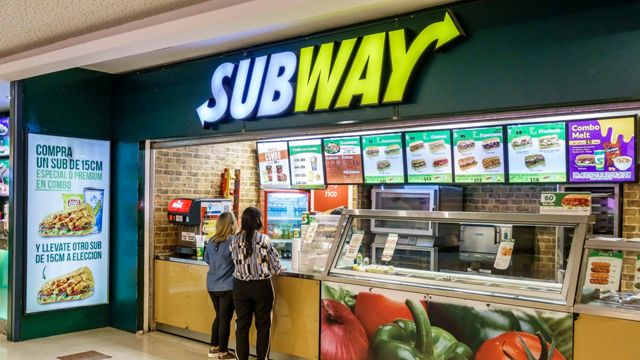
Subway franchise information is sought by entrepreneurs worldwide because Subway remains one of the most recognizable and expansive franchise systems in history. Founded in 1965, the brand has grown into a global network with tens of thousands of locations across more than 100 countries. Known for made-to-order sandwiches and operational simplicity, Subway has built a franchise model designed for scale, consistency, and rapid market expansion.
For aspiring franchise owners, Subway represents a proven system with decades of market presence, strong brand recognition, and a repeatable operational framework. Its growth story offers valuable insight into how structured systems, consistent branding, and accessible operations can power massive expansion.
About the Subway Franchise
Subway began as a single sandwich shop in Bridgeport, Connecticut, co-founded by Fred DeLuca and Dr. Peter Buck. The original goal was simple: help fund DeLuca’s college education. What followed became one of the most remarkable franchise growth stories in business history.
Today, Subway is headquartered in Milford, Connecticut and operates regional support offices across major global markets. Every Subway restaurant is independently owned and operated, making it one of the largest fully franchised restaurant systems in the world.
The Subway model focuses on consistency, accessibility, and speed of execution. By standardizing menu items, equipment, and operational workflows, the brand enables franchisees to focus on daily operations rather than product development or marketing strategy.
Franchise System Overview
The Subway franchise system is designed for efficiency. Franchisees receive structured onboarding, standardized training programs, and access to centralized supply chains. This allows new operators to enter the business with a clear roadmap.
Many Subway owners operate multiple locations, which reflects the repeatable nature of the model. Once systems are in place, expansion becomes more predictable.
This is a defining characteristic of scalable franchise brands. Systems-first thinking is also the foundation of professional franchise development, where growth is engineered rather than improvised.
Why Subway Scales So Effectively
Subway’s ability to scale globally is rooted in structure. The brand relies on:
- Clear operating procedures
- Standardized store layouts and equipment
- Centralized supplier relationships
- Unified brand standards
This structure minimizes complexity for franchise owners and creates consistency for customers. Whether a guest visits a Subway in New York or Singapore, the experience is familiar.
This same principle applies to any business considering franchising. Without systems, growth becomes chaotic. With systems, growth becomes repeatable. That philosophy is central to franchise marketing and expansion at scale.
What Entrepreneurs Learn From Subway
Subway’s journey offers powerful lessons for founders:
- Brands grow faster when operations are simplified
- Consistency builds trust across markets
- Scalability depends on documented systems
- Franchise success is driven by repeatability
Many business owners exploring franchising look to Subway as proof that structured systems can turn a single concept into a global brand.
Resources like the Learn About Franchising center help entrepreneurs understand how these same principles apply to their own businesses.
Is a Subway Franchise Right for You?
Owning a Subway franchise appeals to individuals who value structure, brand recognition, and operational clarity. It is especially attractive to multi-unit operators seeking a system that supports expansion.
However, the broader takeaway is not just about Subway. It is about understanding what makes any franchise system successful.
Every scalable franchise, whether global or emerging, relies on:
- Clear business models
- Documented processes
- Training and support frameworks
- Consistent brand positioning
These are the same foundations taught by Franchise Marketing Systems when helping brands transition from single locations into franchise organizations.
From Concept to Scalable Franchise
Subway did not become a global leader by accident. Its growth was driven by intentional system design.
For founders considering franchising, the lesson is clear. Expansion requires more than ambition. It requires architecture.
Whether evaluating a Subway franchise opportunity or building your own franchise model, the path is the same. Systems come first. Growth follows.
That i